

Best Items to Resell for Profit at Thrift Stores and Estate Sales
A realistic reselling guide to categories that can still produce profit when you understand condition, comps, and selling costs.
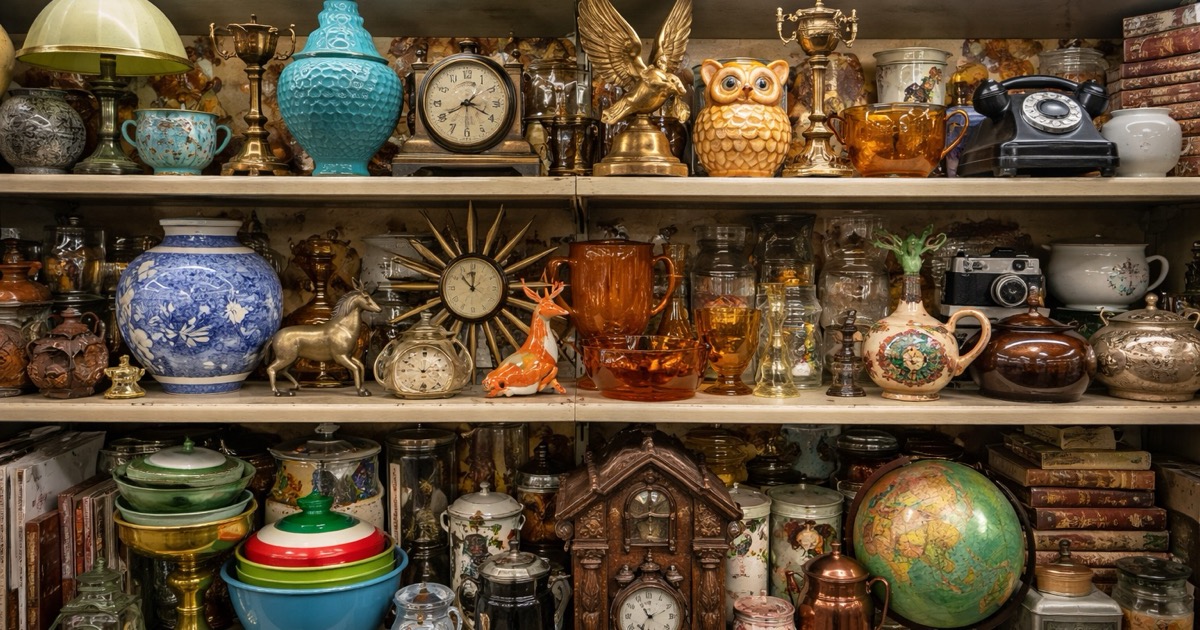
The best items to resell for profit are usually not the flashiest objects in the room. They are the items where you have an information edge: you can identify the category quickly, spot condition problems fast, estimate the resale range realistically, and avoid tying up money in slow inventory.
That matters more than hype. A category is only profitable if the margin survives fees, shipping, returns risk, and the time it takes to list and sell the item properly.
What makes a resale category worth your time
Before talking categories, define what “good” actually means for reselling.
A good resale category usually has:
- reliable buyer demand
- enough sold comps to price confidently
- manageable shipping or local-sale logistics
- clear condition checkpoints
- room between buy cost and likely sold price
That last point is where many beginners get burned. A pretty object with no real margin is not a profitable flip.
Categories that are often worth checking
The best sourcing categories tend to be the ones where casual shoppers overlook details that affect value.
1. Branded ceramics and pottery
Ceramics can still be worth buying when you can spot:
- readable backstamps
- known makers or patterns
- complete sets or matching pieces
- clean condition with no hairlines or repairs
The risk is damage. A small chip or hairline can erase the margin quickly, so buy only when the mark, maker, or pattern still justifies the price.
2. Sterling silver and better silver plate
Small silver items can be good resale material because they are easy to store, easy to photograph, and often under-identified.
What to check:
- sterling marks such as
925orSTERLING - British or European hallmark groups
- plate wear on edges and handles
- missing pieces in sets
Sterling Silver Hallmarks: How to Read Them Correctly is especially useful here because misreading silver marks is one of the easiest ways to overpay.
3. Small vintage lighting and decorative metalware
Lamps, sconces, and decorative metal pieces can work well when:
- style demand is active
- condition is clean
- rewiring needs are obvious and manageable
- the piece is not so large that shipping destroys the economics
The problem is that “looks old” does not equal strong resale. Style, maker, and condition still decide the number.
4. Better framed art, prints, and signed pieces
Art can be attractive for resellers because small framed works are easy to carry and list. But it is also a category where false confidence is expensive.
Look for:
- signatures you can actually research
- labels on the back
- quality framing or gallery history
- clear condition with no heavy damage
If you cannot identify the artist, medium, or market with some confidence, do not assume a decorative piece is a sleeper hit.
5. Niche collectible tools, instruments, and desk objects
Interesting small objects with maker marks can outperform generic decor because buyers search for them specifically.
That might include:
- scientific instruments
- drafting tools
- older branded hand tools
- desk sets and writing accessories
These work best when the maker is identifiable and the parts are complete.
Categories beginners often overestimate
Some categories look promising but punish weak pricing discipline.
Be careful with:
- bulky furniture with weak local demand
- fragile glass with difficult shipping
- incomplete china sets
- generic brass items with no maker or standout style
- reproduction decor sold as antique
The issue is not that these never sell. The issue is that they often tie up space, time, and cash while delivering thin margins.
Use a margin framework before you buy
A profitable flip starts before checkout. Build the margin backward:
- estimate the realistic sold price
- subtract platform fees
- subtract shipping, packing, or travel cost
- subtract the time and risk premium you want
- compare what is left against the buy price
If the remaining spread is weak, the flip is weaker than it first looked.
This is where Antique Price Guide: How to Estimate What It’s Worth and How to Price Antiques for Sale Without Guesswork help keep you disciplined instead of excited.
Condition checks that protect your margin
Never buy on category alone. Buy on category plus condition.
Before purchasing, check:
- chips, cracks, and repairs
- missing hardware or lids
- replacement parts
- odors, stains, or structural weakness
- heavy wear where buyers will notice first
Two objects in the same category can have completely different resale outcomes because one is clean and complete while the other needs explanation in every photo and message.
Why identification speed matters so much
The best resellers are usually not the ones who buy the most. They are the ones who can identify faster and reject faster.
That is where an app-based first pass helps. If Antique Identifier narrows the likely material, era, or maker range while you are still sourcing, you can make better go/no-go decisions before spending the money.
That does not replace comps. It helps you search smarter and skip weak inventory sooner.
If your sourcing process depends heavily on fast category checks, Best Antique Identification App: What to Look For and 12 Best Apps for Resellers to Boost Profits in 2025 are the logical companion reads.
A simple sourcing rule for solo resellers
Prefer categories where you can answer these questions quickly:
- what is it?
- who buys it?
- what condition issue kills the value?
- what is the likely sold range?
- what is my real margin after costs?
When you can answer those quickly, the category becomes scalable for a solo founder or part-time reseller. When every item needs a research marathon, your sourcing gets slower and riskier.
The best category is the one you can price accurately
There is no universal “best” category for everyone. The best category for you is the one where your knowledge is strong enough to protect the buy.
That is why good reselling looks boring from the outside. It is less about chasing random treasure and more about repeating a process with categories you understand better than the room does.
Topics